

Artificial Intelligence (AI) has become one of the most overused buzzwords in marketing. Everywhere you look, people claim that AI will replace marketers, run campaigns by itself, or make human creativity irrelevant. But here’s the truth—AI is not here to replace you. It’s here to make marketing smarter, faster, and more precise.
In 2025, AI has fundamentally shifted how businesses use marketing automation. What was once limited to simple, rule-based triggers—like sending a follow-up email three days after a signup—has evolved into predictive, adaptive, and personalized marketing journeys powered by AI.
Before we explore the latest trends, let’s start by busting a few common myths.
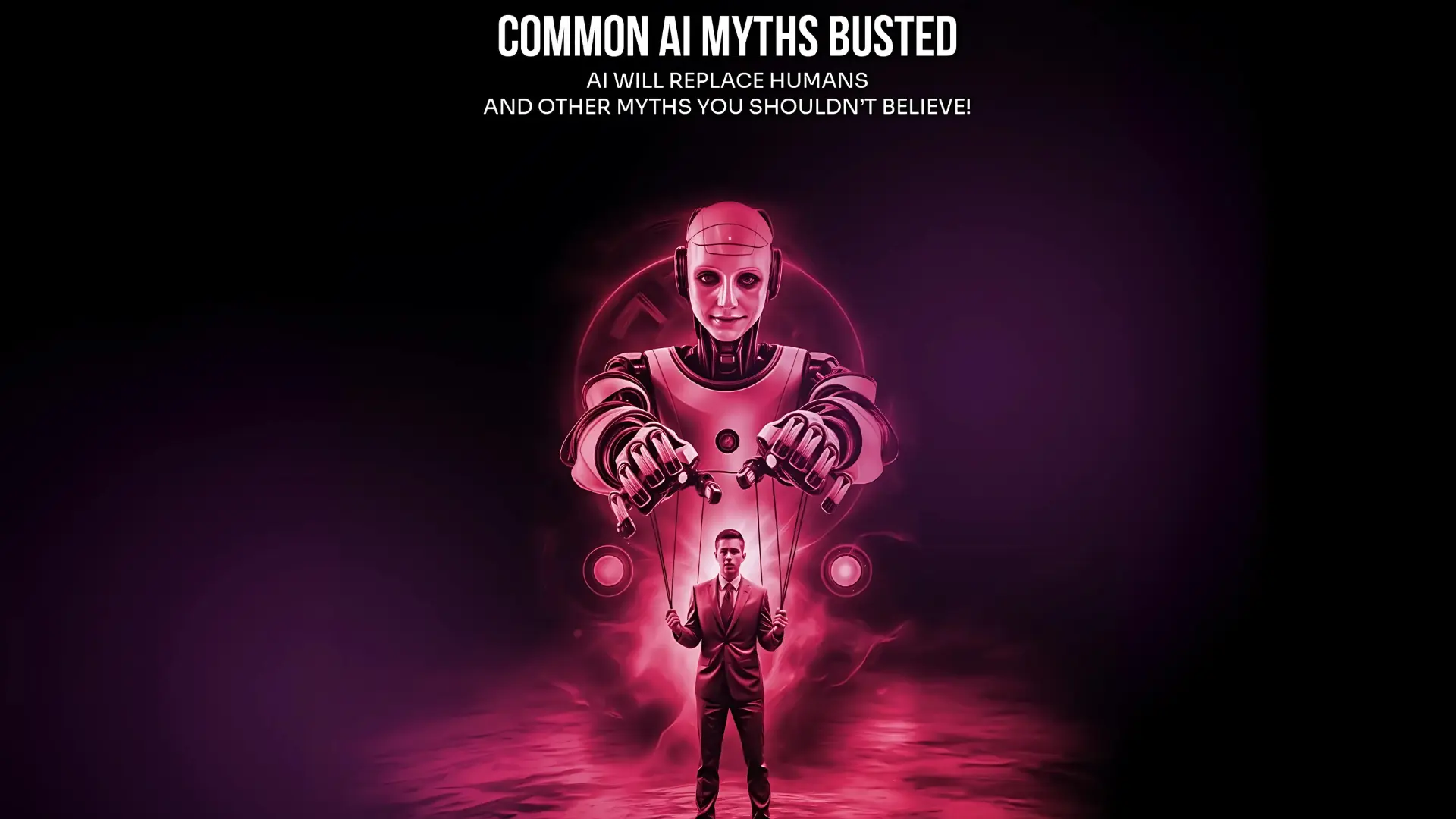
Myths vs. Facts: What AI in Marketing Automation Really Means
Myth 1: AI will replace human marketers
Fact: AI automates repetitive tasks and enhances decision-making, but it cannot replace human creativity, strategy, or emotional intelligence. AI is your co-pilot—not your competitor.
Myth 2: AI is only for big enterprises
Fact: From HubSpot and Klaviyo to Mailchimp and ActiveCampaign, AI features are now accessible to small and mid-sized businesses. You don’t need a massive budget to start leveraging AI.
Myth 3: AI makes marketing “set it and forget it”
Fact: AI still requires clean data, human oversight, and regular adjustments. Think of it as a junior team member—it learns and improves, but only under guidance.
Myth 4: AI personalizes perfectly every time
Fact: Personalization depends on the quality of your data. If your data is messy or incomplete, AI will only amplify those errors.
👉 By separating myths from reality, we can see the real power of AI—and how it’s reshaping marketing automation today.
From Traditional Automation to AI-Driven Automation
Traditional marketing automation was rules-based:
- If a lead downloads an ebook, send an email.
- If a customer abandons their cart, send a reminder.
Useful, but limited.
AI-driven automation is adaptive and predictive:
- It analyzes behavior patterns to decide when a person is most likely to open an email.
- It predicts customer churn before it happens and triggers retention campaigns.
- It recommends content or products dynamically, based on real-time user behavior.
This isn’t just automation—it’s intelligent orchestration of customer journeys.
- Reduced Click Traffic: Fewer users visit websites; they get answers directly.
- Brand Mentions Matter More: AI platforms cite brands (even without clicks).
- Authority Is Everything: Content from thought leaders is prioritized.
- Voice Search Domination: Conversational queries now drive AEO results.
Big-Picture AI Trends in Marketing Automation (2025)
Here are the biggest trends transforming marketing automation right now:
1. Predictive Analytics and Forecasting
AI can forecast which leads are most likely to convert, what products customers may buy next, and when they’re at risk of churning.
Example: Salesforce Einstein uses predictive scoring to prioritize high-value leads for sales teams.
2. Hyper-Personalization at Scale
AI no longer segments audiences into broad groups. It creates 1:1 personalized experiences for millions of users simultaneously.
Example: Netflix-style recommendation engines are now embedded in e-commerce platforms, tailoring offers in real time.
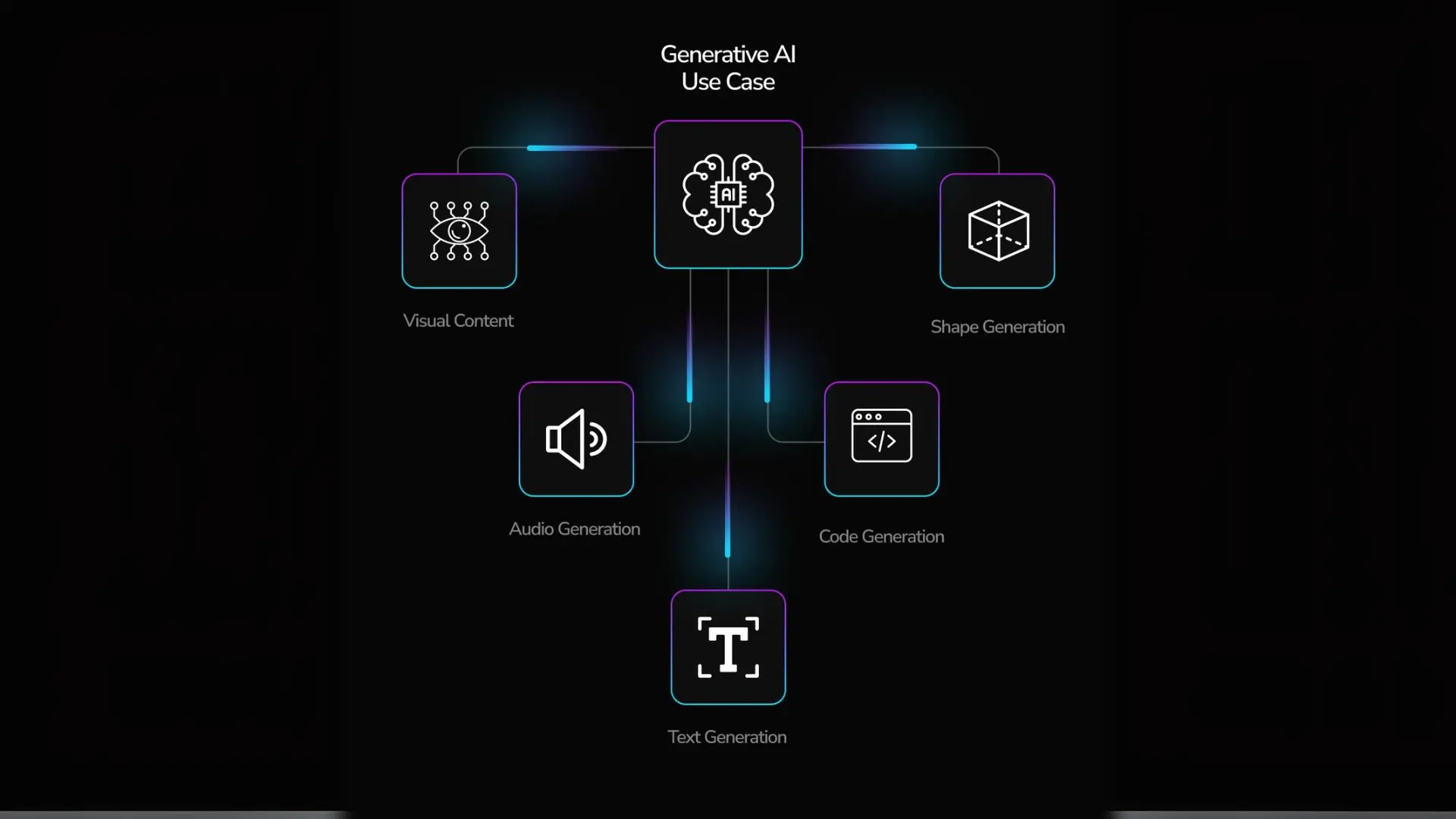
3. Generative AI in Campaign Creation
From writing subject lines to creating ad variations, generative AI is transforming campaign workflows.
Example: Tools like Jasper and Copy.ai auto-generate personalized ad copy, tested across multiple customer segments.
4. Conversational AI & Virtual Assistants
Advanced AI chatbots and voice assistants now handle customer queries, qualify leads, and even close smaller transactions.
Example: Intercom’s AI chatbots nurture prospects with dynamic conversation flows based on intent.
5. Multi-Channel Orchestration
AI synchronizes campaigns across email, SMS, push notifications, ads, and websites—all in real time.
Example: Google’s Performance Max uses AI to distribute ads across channels with the highest likelihood of conversion.
6. Privacy-First AI
With GDPR and CCPA in force, AI tools are being trained to balance personalization with data privacy. Companies that master this balance will win trust and market share.
- How often your brand/content is cited in AI answers.
- Referral traffic from AI-powered platforms.
- Share of voice in AI search vs. traditional search.
Practical Applications: How Companies Are Using AI Today
- Lead Scoring: AI ranks leads by probability of conversion (HubSpot, Salesforce).
- Email Campaigns: AI optimizes send times, subject lines, and body copy for each individual (Klaviyo, Mailchimp).
- Ad Targeting: Google Performance Max and Meta Advantage+ adjust targeting in real time for maximum ROI.
- Customer Segmentation: AI automatically creates micro-segments for highly relevant campaigns.
- Cart Recovery: AI predicts the best time and channel to re-engage a customer who abandoned their cart.
Case Studies: AI in Action
- E-commerce: A clothing brand used AI-powered recommendations and saw a 28% increase in average order value.
- SaaS: A B2B SaaS provider reduced churn by 15% after AI flagged disengaged users and triggered automated retention workflows.
- Retail Banking: AI chatbots resolved 70% of customer service queries without human intervention.
Impact on Marketing Teams
AI isn’t replacing jobs—it’s changing them.
- Campaign managers → AI strategists (deciding how to use AI effectively).
- Copywriters → prompt engineers (guiding AI for creative output).
- Analysts → data supervisors (ensuring AI has accurate, clean inputs).
Marketers are moving from manual execution to strategic oversight of AI-driven systems.
Challenges and Risks
- Data Quality: Poor data leads to poor AI outcomes.
- Over-Automation: Brands risk losing authenticity if every touchpoint feels robotic.
- Bias & Ethics: AI can amplify bias if not carefully monitored.
- Privacy Concerns: Mishandling personal data can erode customer trust.
The Future Outlook: 2025–2030
Looking ahead, AI will:
- Run 80% of repetitive marketing tasks, freeing humans for creative strategy.
- Offer predictive CX (Customer Experience)—knowing what a customer wants before they ask.
- Integrate deeper with CRMs, making every campaign self-optimizing and autonomous.
Actionable Takeaways for Marketers
- Start Small: Test AI in one area (emails, ads, or chatbots) before scaling.
- Focus on Data Hygiene: AI is only as good as the data you feed it.
- Invest in AI-Friendly Tools: Choose platforms with built-in AI features.
- Upskill Your Team: Train marketers to work with AI, not against it.
- Maintain Human Oversight: AI is powerful, but it still needs brand and ethical direction.
Conclusion: AEO Is Not Optional in 2025
AI is not just revolutionizing marketing automation—it’s redefining it. In 2025, the businesses that succeed won’t be those who automate the most, but those who use AI to create smarter, more human-centered customer journeys.
AI won’t replace marketers. But marketers who use AI will replace those who don’t.
Final Thoughts from Ad-On.Digital
Contact ad-on.digital today for a free AI marketing assessment. Our experts will analyze your current digital presence and show you how AI can transform your marketing results.
Don’t wait for the future – shape it with ad-on.digital’s AI-powered marketing solutions. “Get Your Free AI Marketing Assessment Today”.
- How often your brand/content is cited in AI answers.
- Referral traffic from AI-powered platforms.
- Share of voice in AI search vs. traditional search.